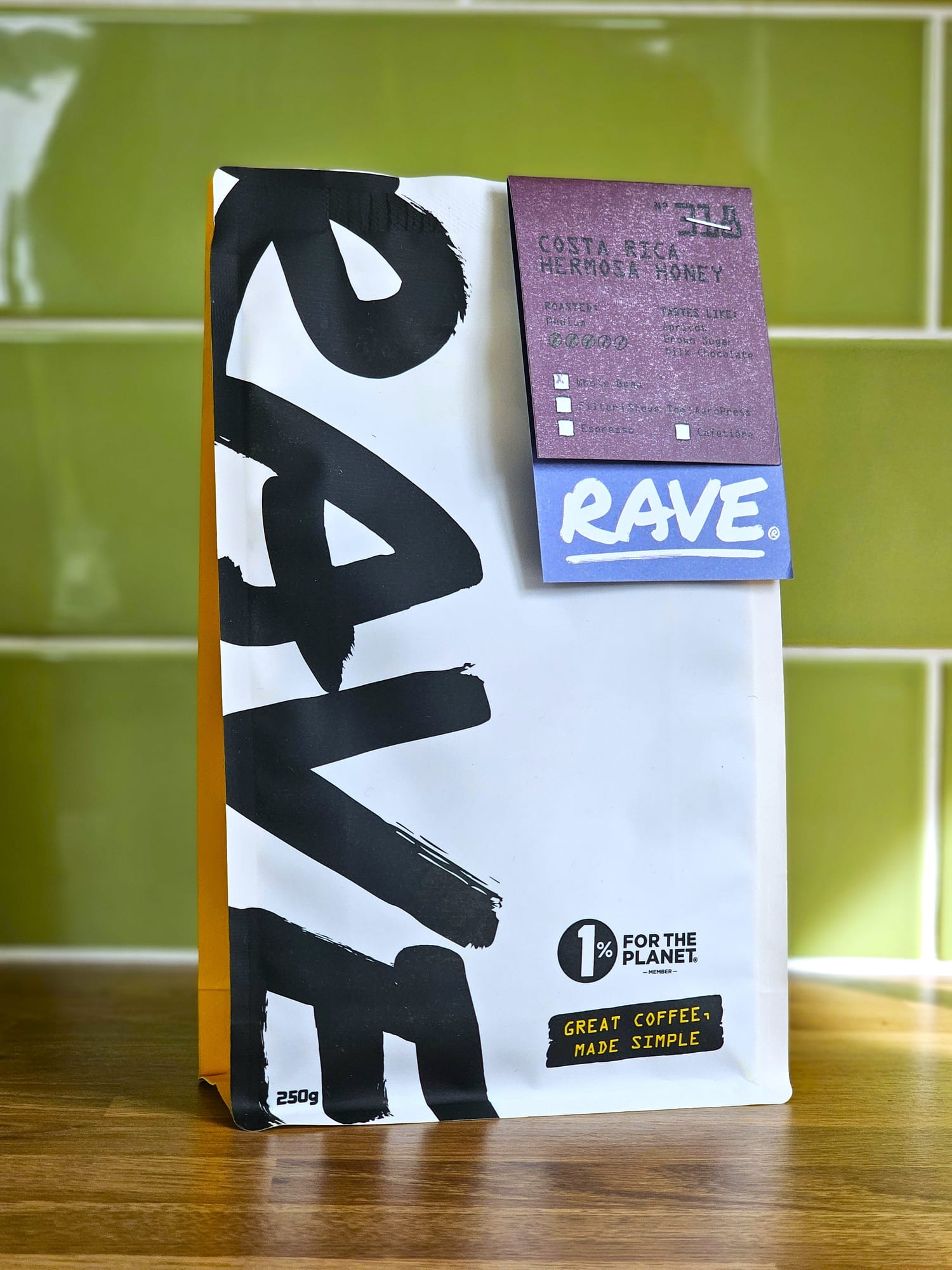
Costa Rica Hermosa
Rave Coffee no. 318, honey process.
Coffee.
Brewing specialty coffee at home: the kit I use, the recipes I have settled on, and the beans I have enjoyed most.
Nathan Dumlao
What started as wanting a decent cup at home has turned into a proper hobby, and I approach it the way I approach engineering. Dose, grind, water temperature and time all change the taste of the resulting cup. Harking back to GCSE science, we all remember learning that changing two variables at once tells you nothing about either.
Every recipe here started as a baseline and got better by making one change at a time. Test-driven brewing, you could say.
A French press, an AeroPress and a Moka pot each make a different style of coffee with its own pros, cons, and quirks. Each recipe is tuned on its own terms rather than against the other two.
James Hoffmann's How to Make the Best Coffee at Home was a birthday present, and it is the book I recommend to anyone who wants better coffee at home.
Recipes are easy to find. What the book gives you is the science and reasoning behind them: why grind size, ratio and water temperature matter. You will brew some terrible cups along the way, but a bad cup becomes something you can diagnose rather than something you guess at.
"If you know the enemy and know yourself, you need not fear the result of a hundred battles" - Sun Tzu (from The Art of War)
William Lay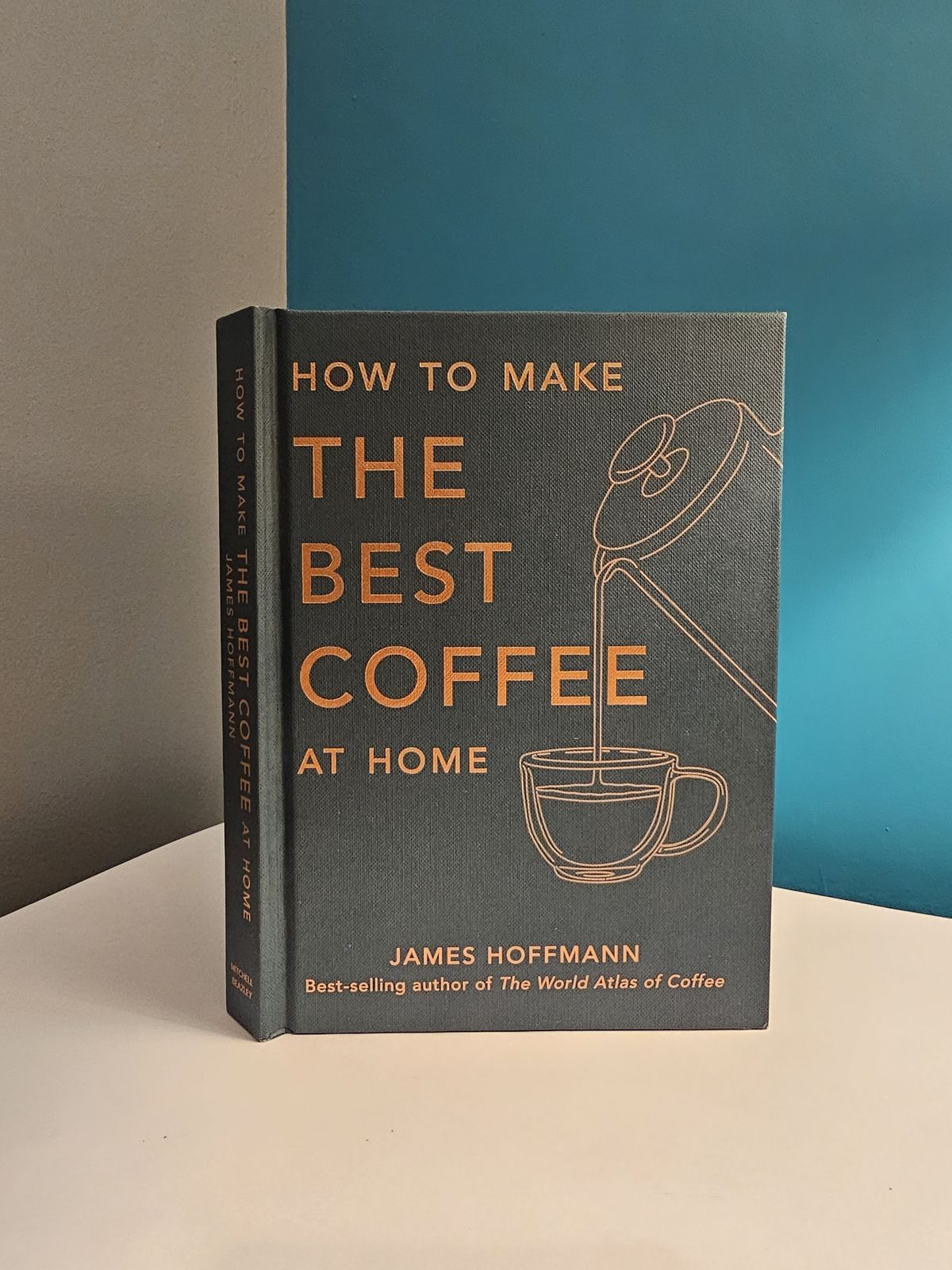
A burr grinder is the biggest single upgrade for coffee at home, and mine shows you do not have to spend much to get one. The best grinder I could afford ten years ago was a Dualit CCG2, which set me back a princely sum of £65.
For what it cost, it has taken me unreasonably far into this hobby and is still going strong. The grind settings in the recipes below are for this grinder, so read them as a direction rather than a number to copy.
William Lay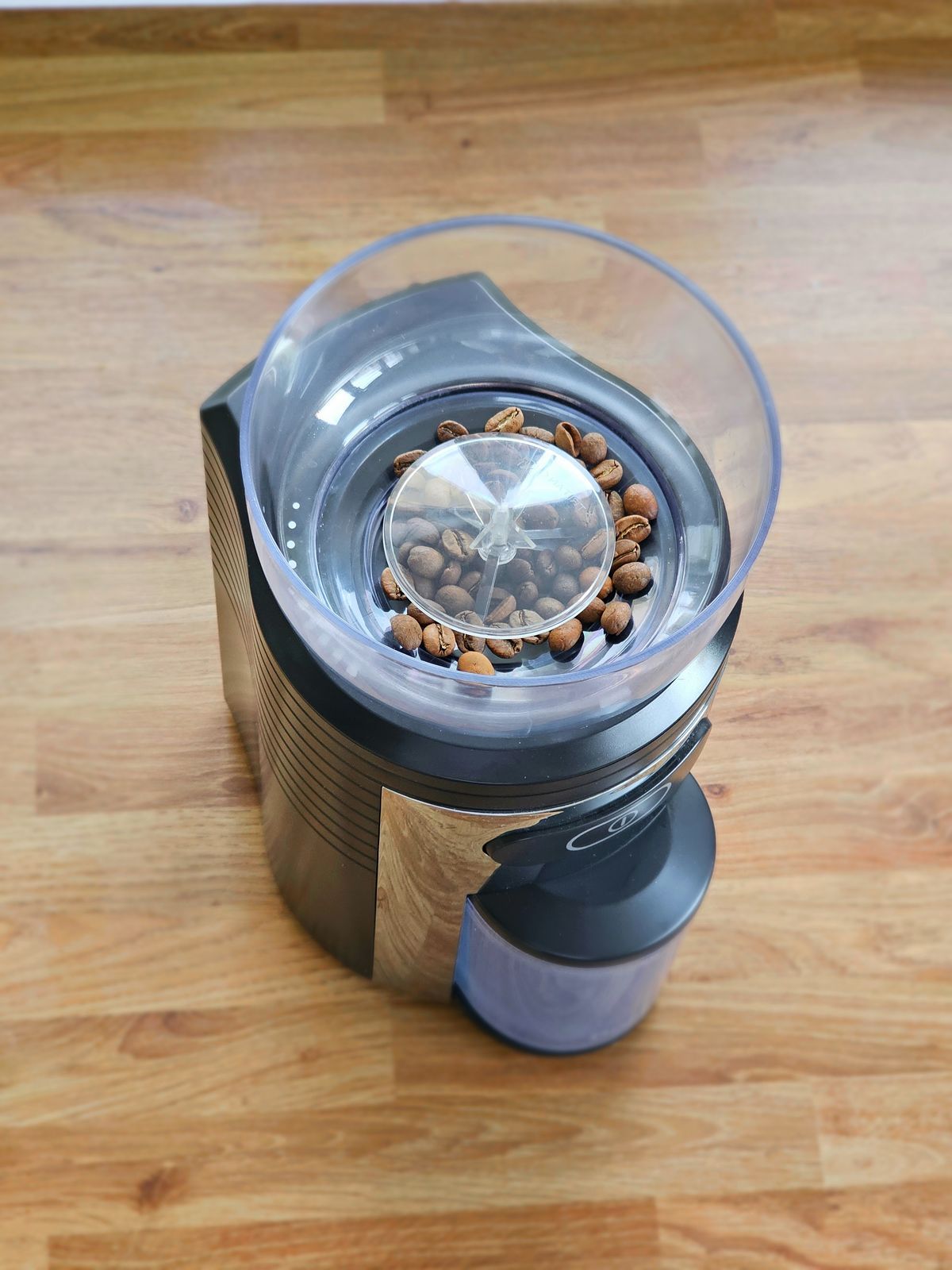
A scoop measures volume, and beans vary in size and density, so the same scoop can land a gram or two either side of where you meant. For a 16g target dose, a single gram error is over 6% of the dose.
Scales that read to 0.1g, with a timer built in, are what make every recipe on this page repeatable. I bought mine for £10, you really don't need to spend much to get a set. Changing one thing at a time only tells you something if you can weigh accurately.
William Lay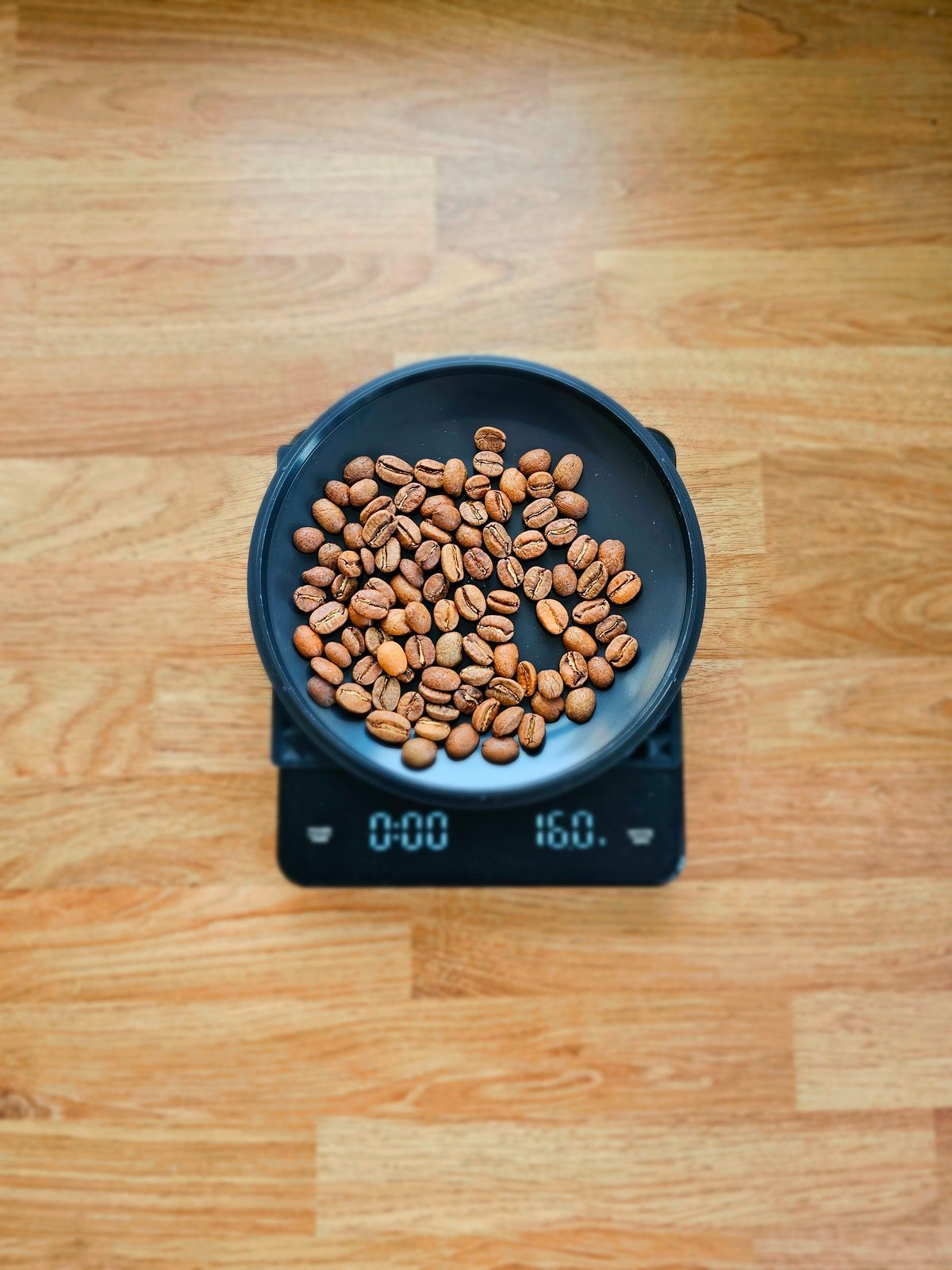
My daily driver, and well over 95% of what I brew. It is forgiving, easy to repeat, and scales to a whole working day.
I brew one cafetière in the morning and another in the afternoon. Half goes straight into my mug and half into an insulated flask as soon as it is plunged, so the second cup stays hot without sitting on the grounds and over-extracting. Two brews, four fresh cups.
The dose is deliberately lighter than most published recipes. Hoffmann's, at full strength, nearly blew my face off. I brought the dose down a step at a time until I had a good workday sipper that holds its own against the high street specialty shops.
William Lay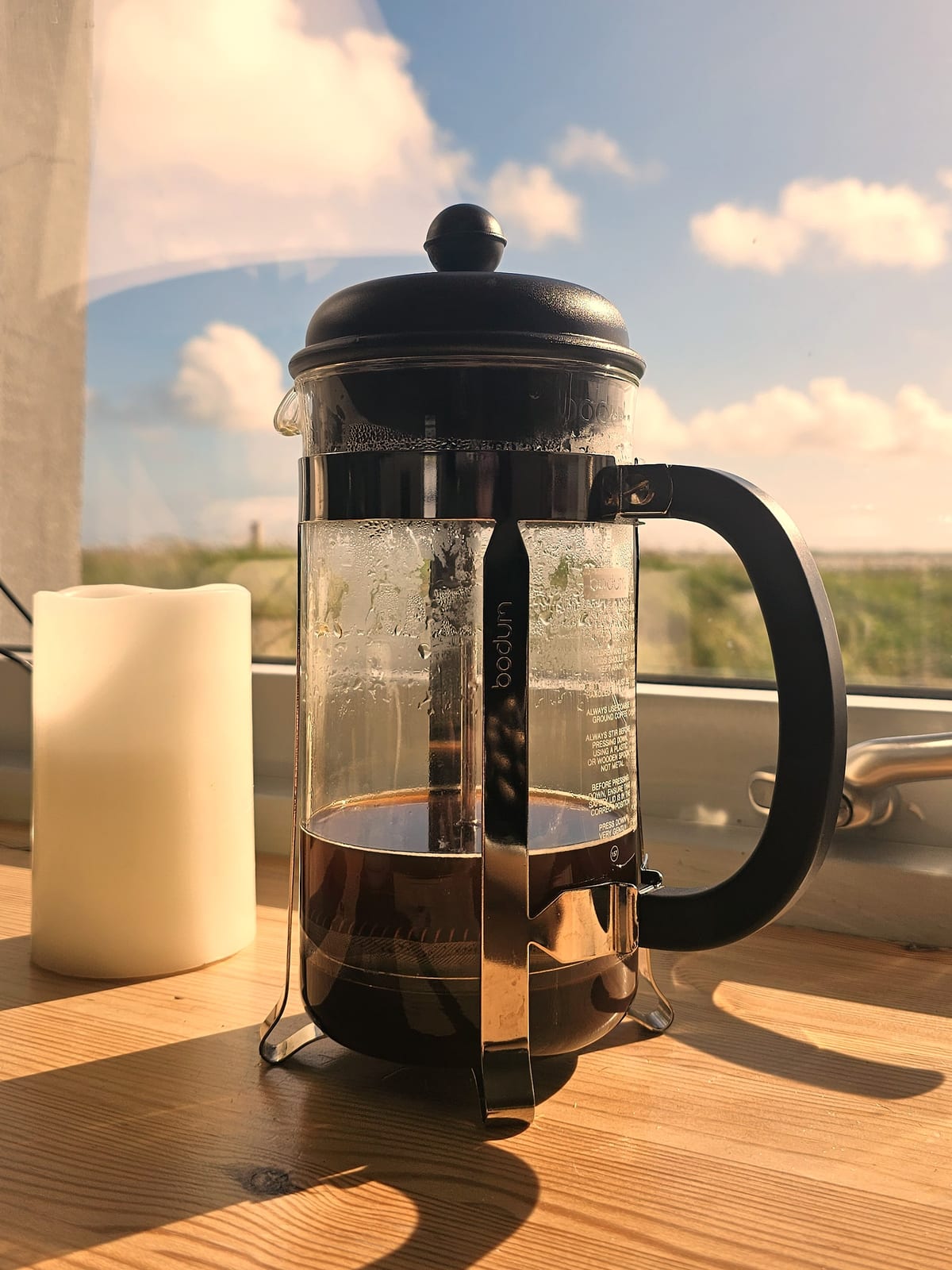
Coffee per cafetière.
Five clicks off the coarsest on the Dualit.
Water, a ratio just over 1:37.
Water temperature at the start of the brew.
Steep time before plunging.
Per cafetière: one in the mug, one in the flask.
I bought this when I was a freelance sound engineer and wanted to be able to brew coffee on the go or when I was travelling. It is compact, hard to break and quick to clean. The downside is that it can be tricky to get consistent results with it.
I brew it inverted. Grounds and water in, stirred several times over four minutes, then the filter on, flip it onto the cup and press with gentle pressure.
I don't rinse the paper first, and I plunge all the way until I hear the air come through. The former, because I don't think it makes any difference, and the latter because it also doesn't taste any different, but it does dry the puck out and makes it easier to knock out. Whatever the internet tells you (including me here, I'm just some guy after all!), it does not change the cup: run an A/B and I promise you will not taste the difference.
Erick Chévez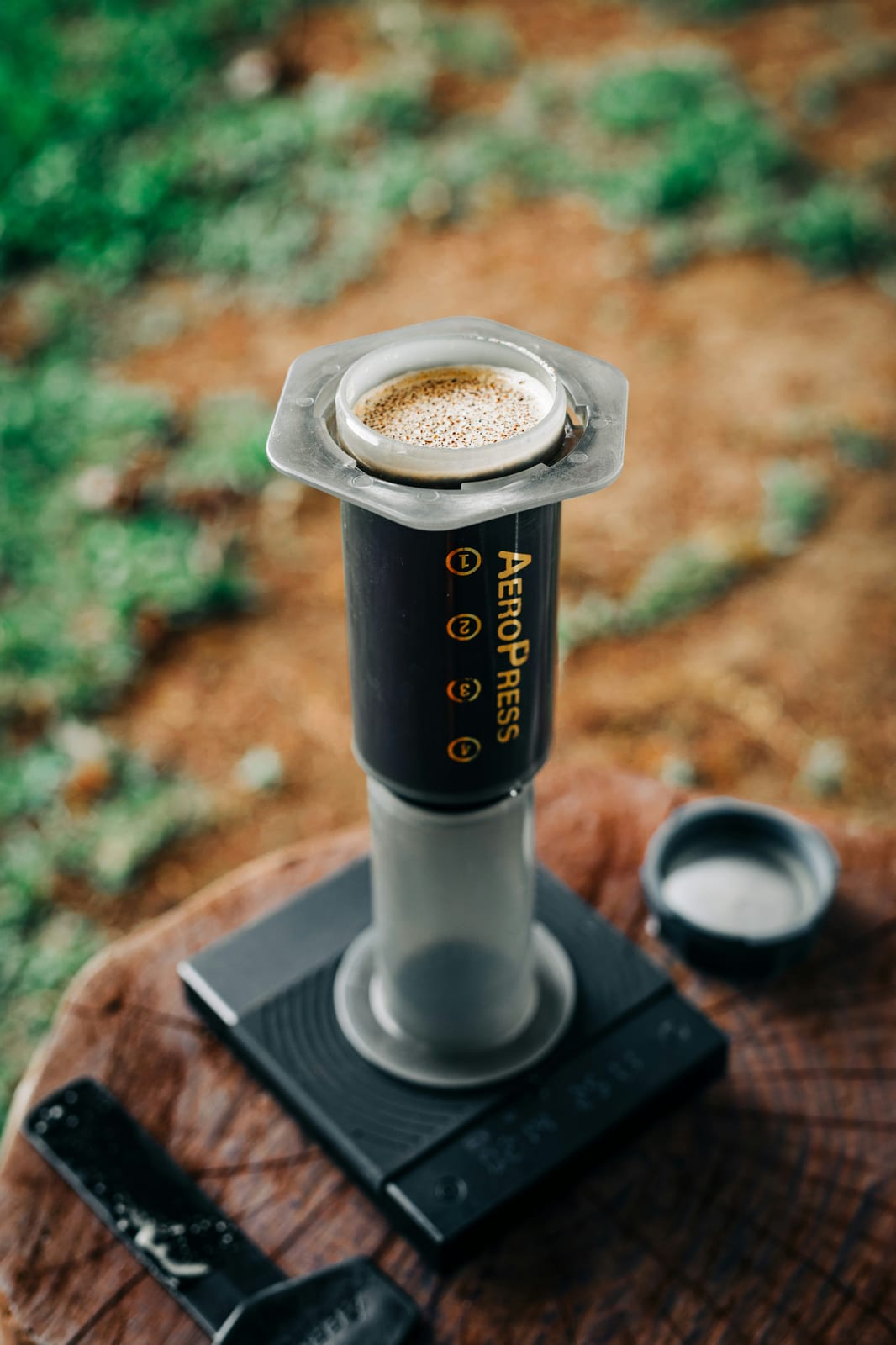
Coffee per brew.
Five clicks off the coarsest on the Dualit.
Plunger at the bottom of the (4), filled to the top of the (1).
Water temperature at the start of the brew.
Stirred several times, then the filter on and flip.
About 195ml, once the grounds have taken their share.
For espresso-style drinks at home, or when a recipe calls for something stronger than a French press can make.
The recipe is Hoffmann's, and most of it is about heat rather than dose, and trying to slow the brew down to add control to another fickle brew method.
Start with a clean pot: a dirty one tastes bitter and burnt, not seasoned. Fill the base with boiling water so the coffee is not slowly cooked while the water comes up to temperature, assemble it quickly with a tea towel to save your fingers, and keep the hob on as low as it will go, so the extraction is as slow as possible.
Grind fine and level the basket rather than tamping it, so the water steams through the bed instead of channelling through a compacted puck. Let the pot slowly fill with delicious coffee, but the moment you hear the first steamy sputter, take it off the heat and run the base under the cold tap to stop it there.
Brent Ninaber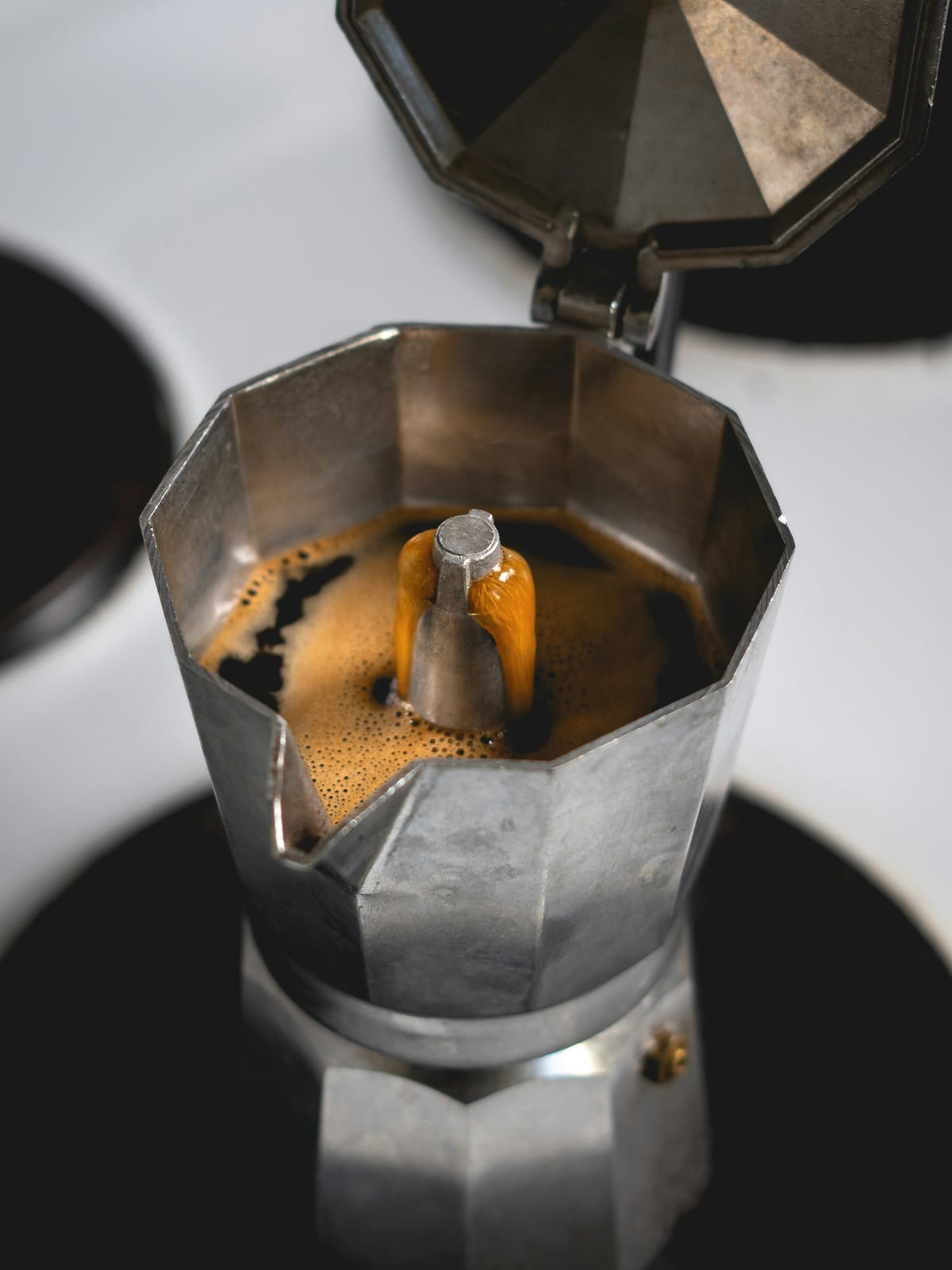
A level basket in the six-cup pot, never tamped.
One click off the finest on the Dualit.
Boiling water, up to the bottom of the safety valve.
The gentlest simmer the hob will hold.
Off the heat at the first steamy burp, then the base under the cold tap.
Enough for three espresso-style servings.
Bags I have enjoyed enough to remember. I love lighter roasts and bright, fruit-forward cups, but I am not loyal to any one origin or process. Most of these came from Rave's numbered range, which makes trying something unfamiliar every few weeks cheap and easy.
Rave Coffee no. 318, honey process.
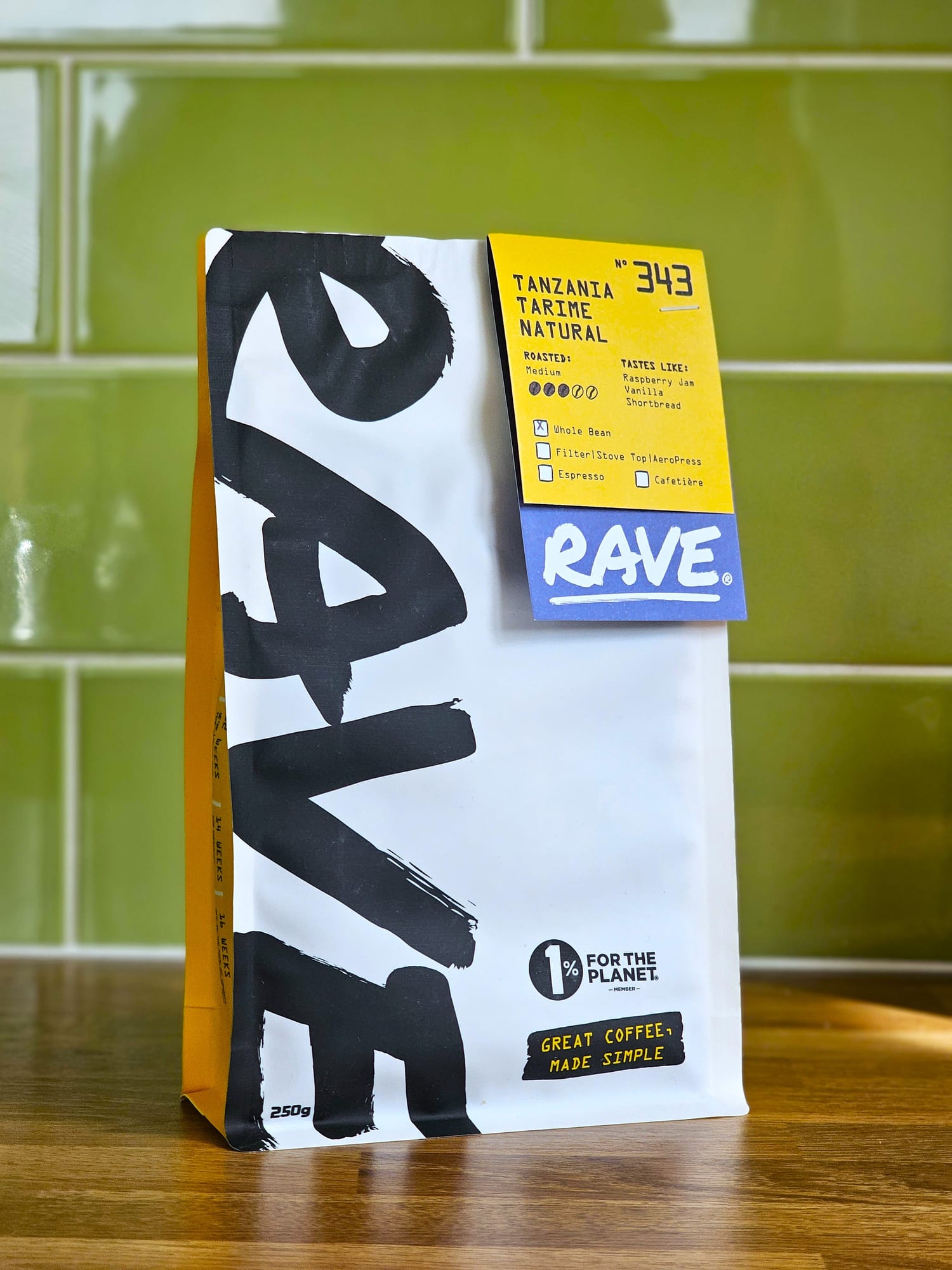
Rave Coffee no. 343, natural.
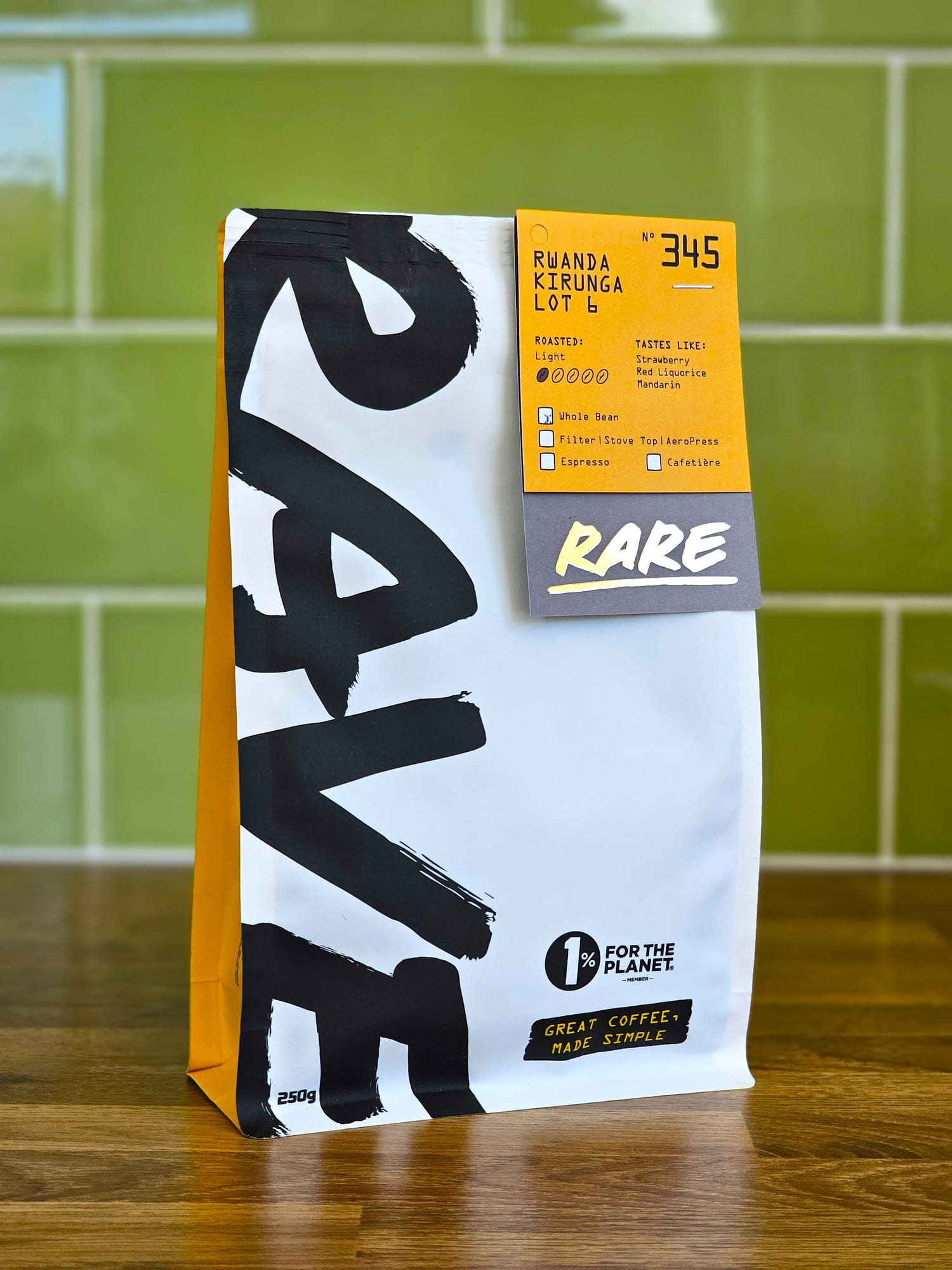
Rave Coffee no. 345, natural, from their Rare range.
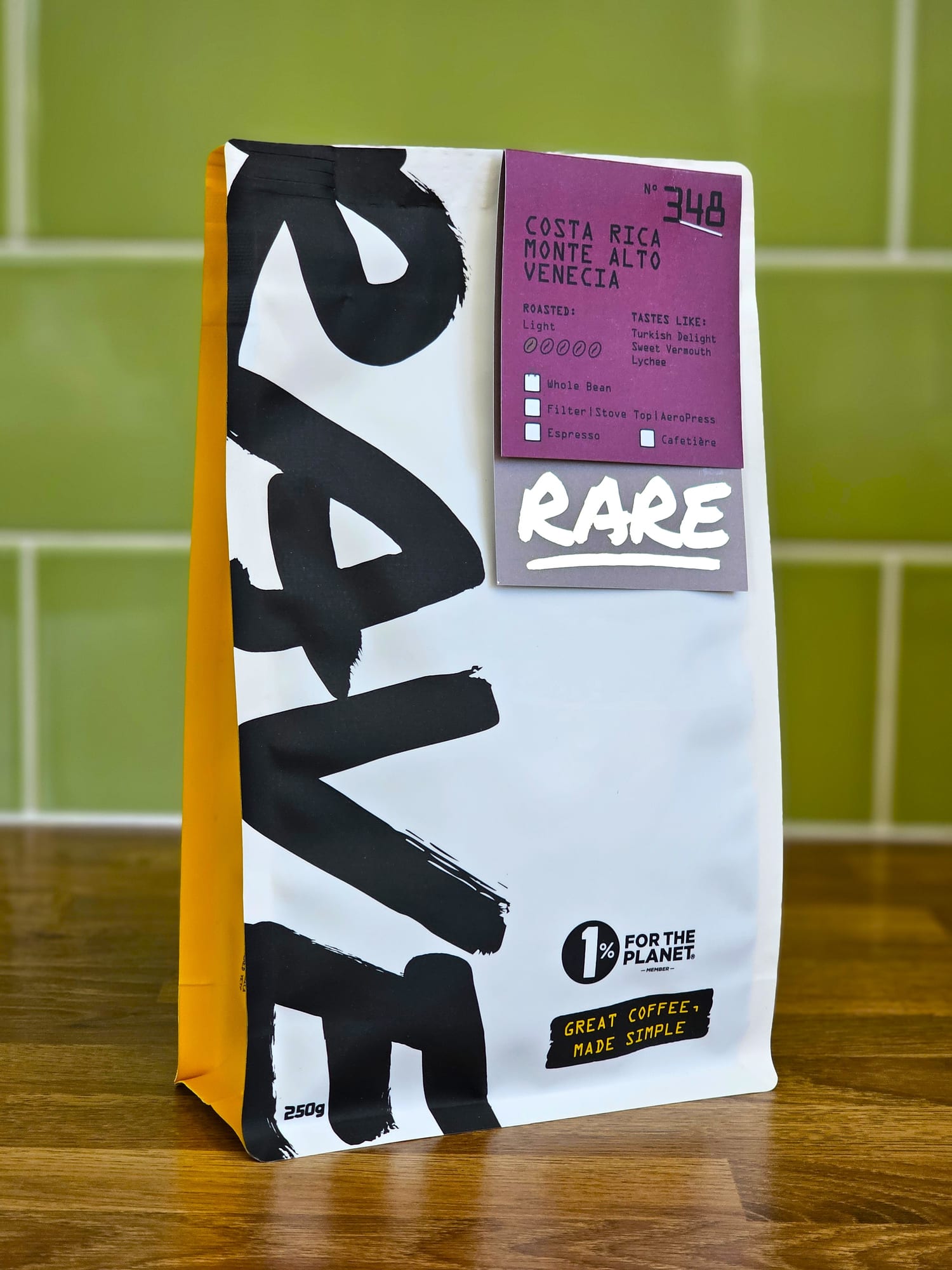
Rave Coffee no. 348, natural, from their Rare range.
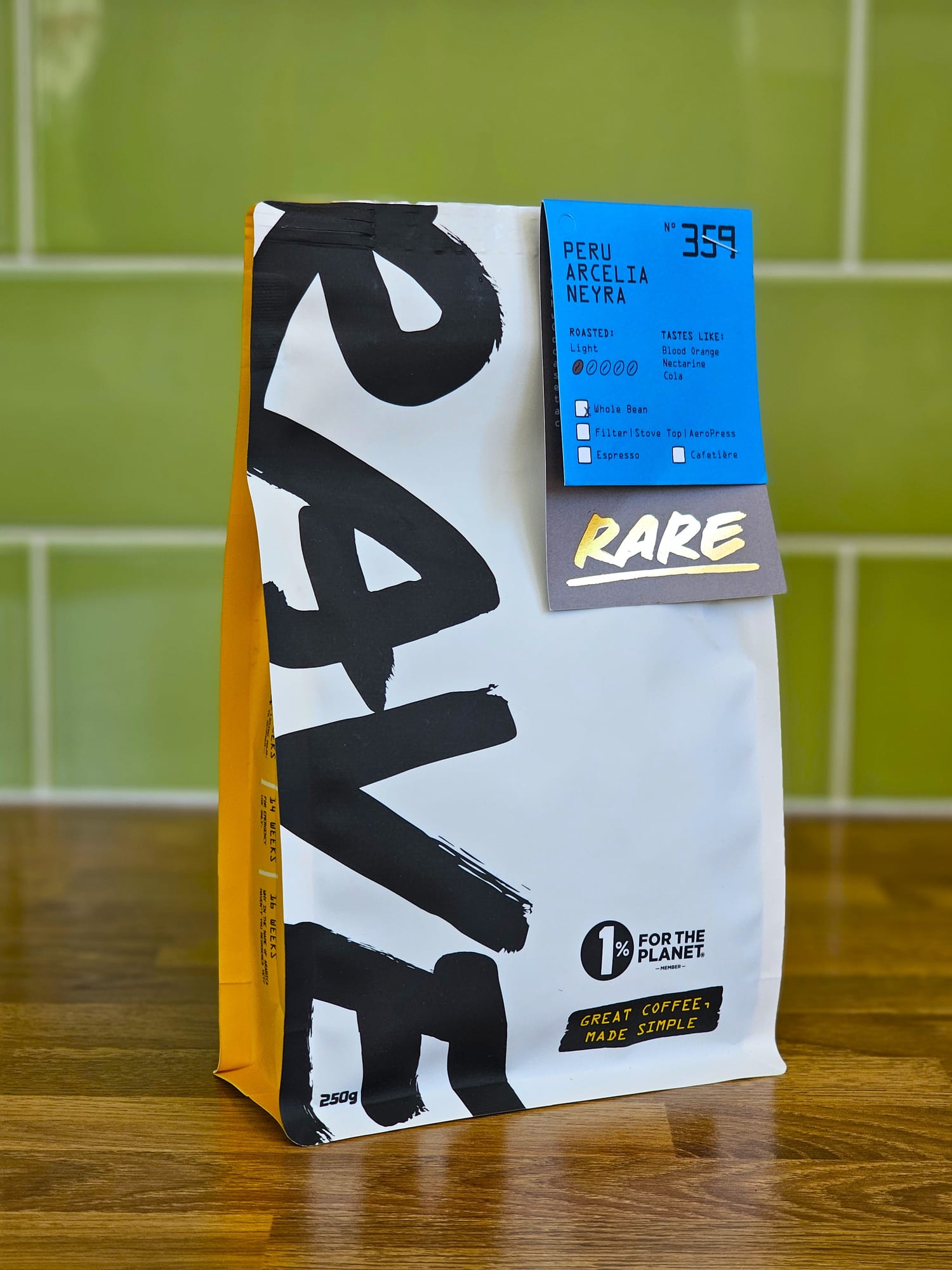
Rave Coffee no. 359, natural, from their Rare range.
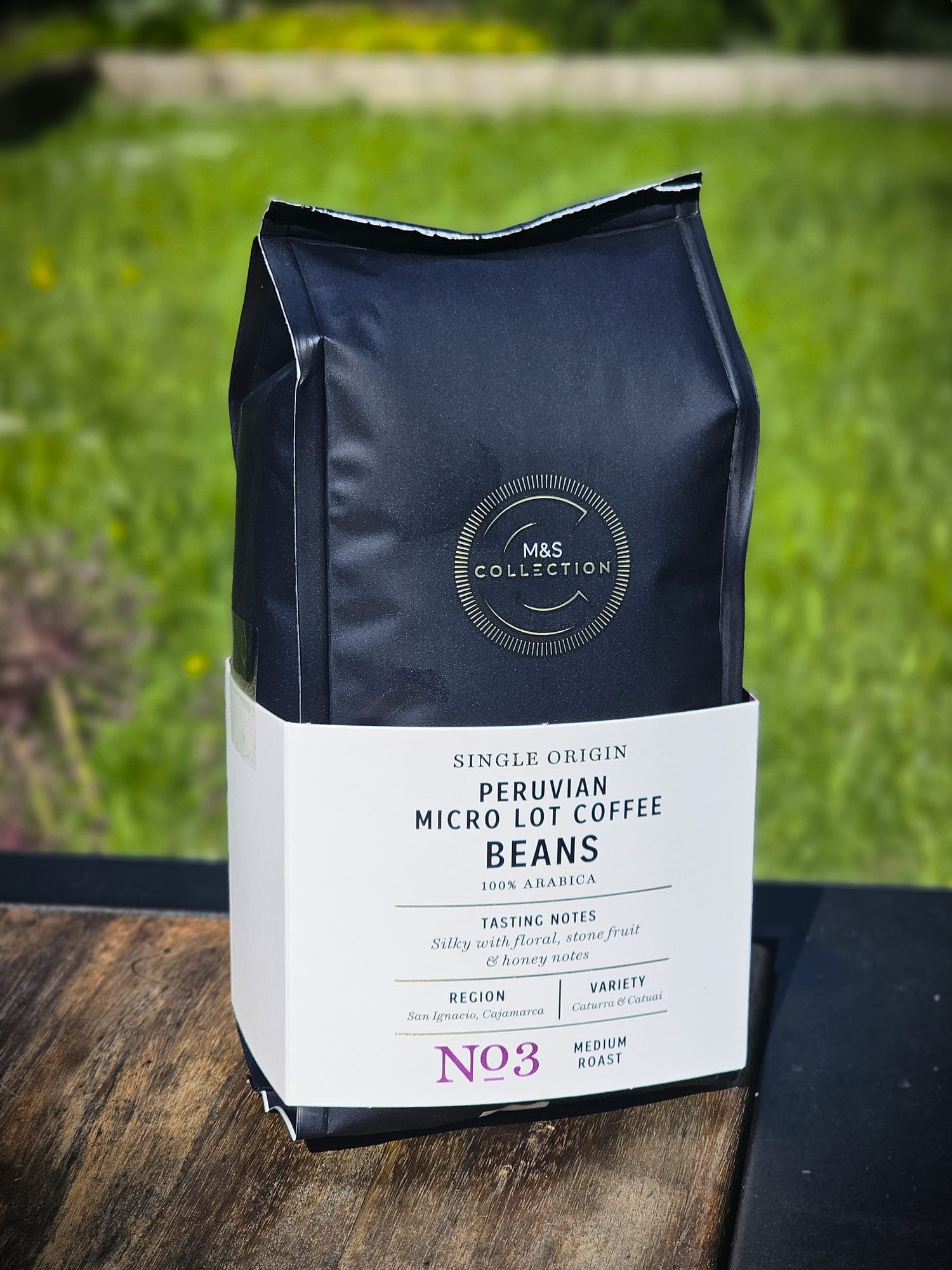
M&S Collection, washed.